
This last heroin addiction year has been really really hard but I am so glad I stopped when I did. There are some medical options which can be taken alongside counselling to help with stopping drinking. At the end of the day, just remember you don’t have to run the course alone — connecting with a therapist or joining a recovery program can make all the difference. Therapy, medication, and recovery programs can all have benefit for reducing and preventing cravings.
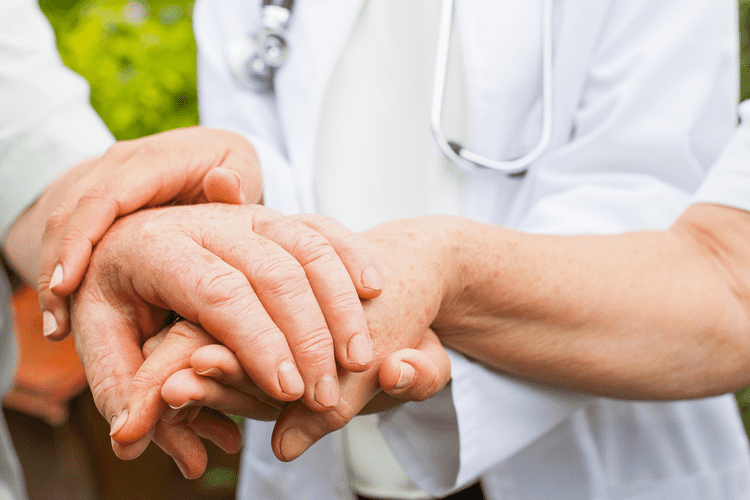
How is alcohol use disorder treated?
- Talk to your healthcare provider if you’re under stress and think you may be at risk for relapse.
- Alcohol dependence also means that you have developed a tolerance to drinking.
- On average, wine has about 12% alcohol by volume (ABV), though some varieties can go as high as 15% or more.
- These impairments are a result of wine’s impact on the central nervous system, which slows down message transmission in the brain, consequently affecting coordination and speech.
The changes can endure long after a person stops consuming alcohol, and can contribute to relapse in drinking. Many people question whether such a “classy” drink can really lead to addiction. In this blog post, you’ll learn about the alcohol content in wine, whether you can get addicted to it, what the signs look like, and what you can do if wine starts to take control of your life. For many, it’s part of celebrations, intimate dinners, or a way to unwind after a long day. People may consider wine sophisticated or luxurious, picturing swirling glasses, vineyards, and candlelit tables.
If you feel that you sometimes drink too much alcohol, or your drinking is causing problems, or if your family is concerned about your drinking, talk with your health care provider. Other ways to get help include talking with a mental health professional or seeking help from a support group such as Alcoholics Anonymous or a similar type of self-help group. To safeguard your liver and minimize the risk of cancer, it is advisable to consume wine in moderation or explore alternative non-alcoholic beverages. Additionally, maintaining a healthy lifestyle, including a balanced diet, regular exercise, and wine addiction abstaining from tobacco and excessive alcohol consumption, can help mitigate these risks.
- Many people with alcohol use disorder hesitate to get treatment because they don’t recognize that they have a problem.
- The more you’re using, the more you’re acting out, so there’s this paucity of emotional development, if you will.
- Even when we have the best of intentions, we can tend to overindulge in … well, everything.
- These questions can help you decide if you are addicted to marijuana.
FAQ’s Frequently Asked Questions about AA & Alcoholism
Combining medication with therapy and other interventions can prove even more helpful than medication alone. She notes that it can help to avoid your triggers as much as possible in early recovery, since triggers are often most intense when you first stop drinking. Internal triggerstypically involve memories, thoughts, emotions, or physical sensations that prompt the urge to drink. Most people who experience cravings notice a mix of internal and external triggers. Over time, alcohol use begins to affect the neurotransmitters, or chemical messengers, in your brain. “Alcohol cravings can be very intense, especially in early recovery,” explains Ruby Mehta, licensed clinical social worker and director of clinical operations for digital recovery platform Tempest.
Alcohol Addiction
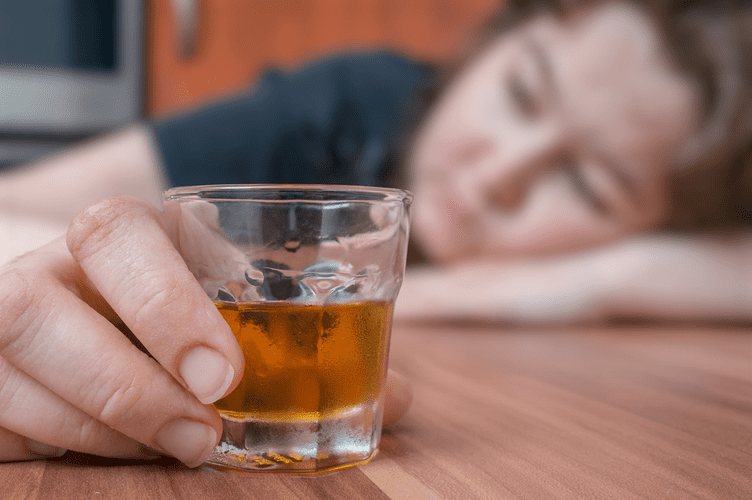
It means you’re human—and that you’ve been using something to cope. With the right support, you can heal, grow, and take back control. You might join a support group like AA, meet with a therapist, or attend outpatient treatment. Building a strong support system is key to long-term success. AddictionResource aims to present the most accurate, trustworthy, and up-to-date medical content to our readers.
Solutions for Wine Dependence
- Mood and behavior are among the many brain functions affected by alcohol consumption.
- Studies show most people with this condition recover, meaning they reduce how much they drink, or stop drinking altogether.
- The CDC also includes underage drinking and drinking by women who are pregnant.
- This is why some people drink wine in the evening to ease out of a stressful day and prepare for bedtime.
In general, consuming a moderate amount of wine is safe for most people. Moderate drinking means one drink per day for females and two drinks per day for https://inoxvisinhhaanh.com/cannabinoid-hyperemesis-syndrome-chs-symptoms-and/ males. The easiest way to see if your wine habit has turned into a problem? If drinking isn’t an issue for you, you shouldn’t have an issue forgoing the booze. But if you find yourself dwelling on all the wine you’re not drinking, or if you so back to the bottle after just a few days … you’ve learned that you can’t control your drinking.
The allure of wine drinking is also influenced by its association with certain lifestyles and social settings. Wine is considered elegant and refined, making it a popular choice for formal gatherings, fancy dinners, and special occasions. The rituals and etiquette surrounding wine, such as wine tasting and appreciation, add to its appeal and make it intriguing. Compulsive behaviors are prominent in addiction, and people with alcohol addiction often drink whenever and wherever they desire.
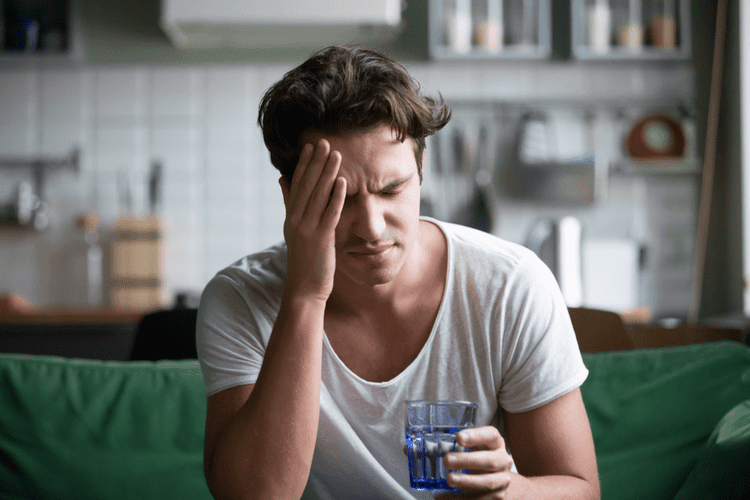
How do I take care of myself?
If you’re worried about your drinking, get in touch with your local GP surgery, who will be able to help. In this article, we will discuss beer vs. wine and some common misconceptions about these beverages. Something that throws everything balance-related into a tailspin is that emotional maturity and addiction are two separate concepts. The more you’re using, the more you’re acting out, so there’s this paucity of emotional development, if you will. There are nuances to consider with these guidelines, though.
One of the biggest concerns with risky drinkers is when they don’t think they have a problem. Moderate drinking is the only safe way to consume alcohol, but drinking in general isn’t safe for everyone. The National Institute on Alcohol Abuse and Alcoholism estimates that 17 million American adults have alcohol use disorders. Another 855,000 Americans ages 12 to 17 years old have alcohol use disorders. It’s important to remember that alcoholism isn’t created overnight. But when alcohol consumption gets out of control, you may find yourself on a dangerous path toward addiction.
Increased Blood Pressure and Cardiovascular Diseases
Some people may be more prone to developing addictive behaviors, while others may have a higher tolerance for substances like alcohol. Furthermore, the long-term effects of wine addiction can be detrimental to both physical and mental health. Excessive wine consumption can lead to oxidative stress, which in turn contributes to cardiovascular diseases and liver damage. Prolonged wine addiction can also result in mental health issues such as impaired judgment and memory loss. Therefore, understanding addiction is crucial for acknowledging the potential risks and seeking appropriate help. Alcohol use disorder (AUD) is a medical condition characterized by an impaired ability to stop or control alcohol use despite adverse social, occupational, or health consequences.
One of the earliest signs is increased tolerance, where a person needs to drink significantly more wine to feel the desired effects. What started as a single glass may turn into a bottle to achieve the same level of comfort. Before you know it, wine starts controlling your sleep, mood, health—and even your life. Left untreated, addiction to wine can lead to binge drinking, alcohol poisoning, alcoholic liver disease, broken relationships, job loss, and even death.


 info@mingolo.it
 Facebook
 Instagram
 TikTok
Lascia un commento